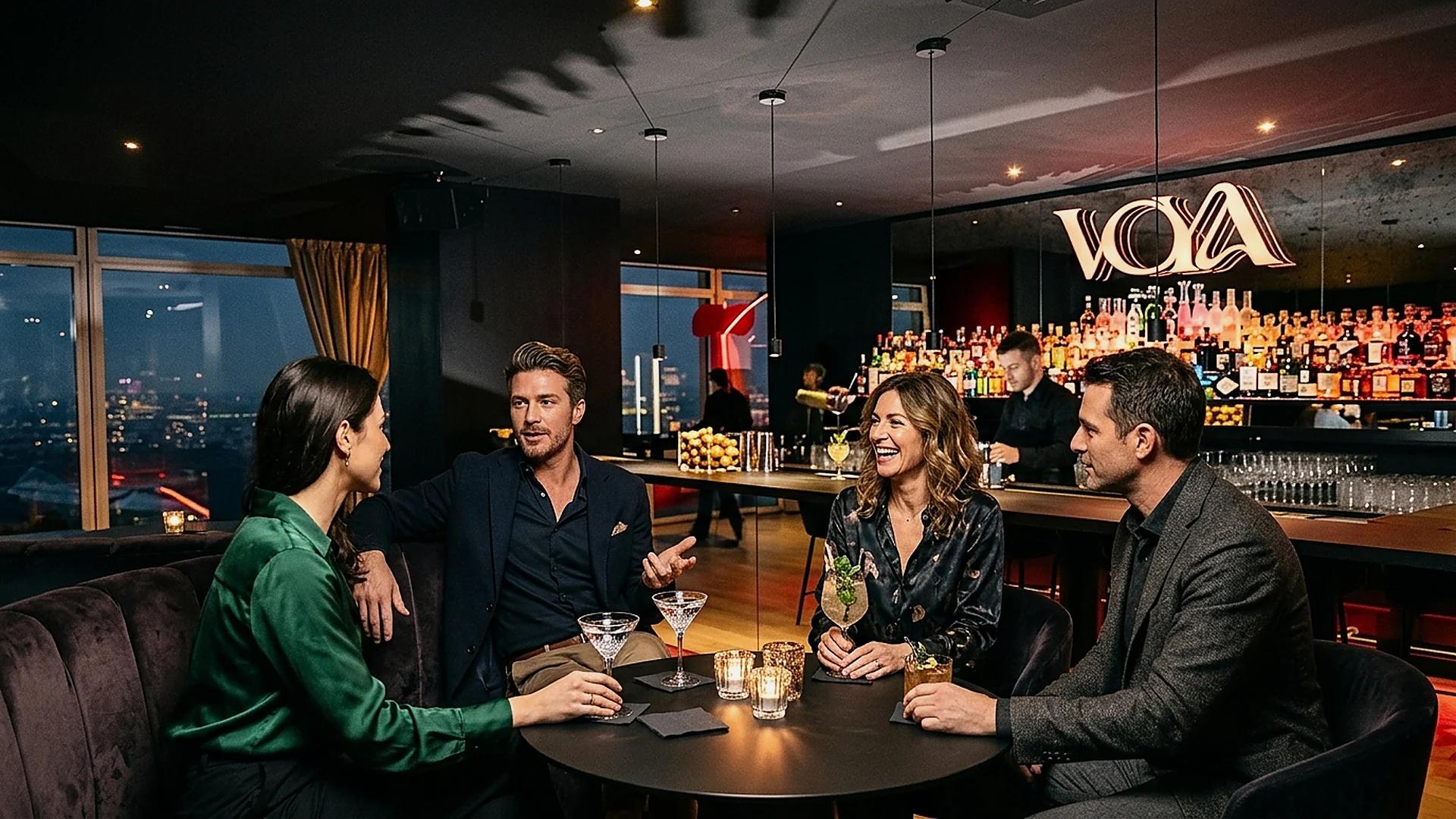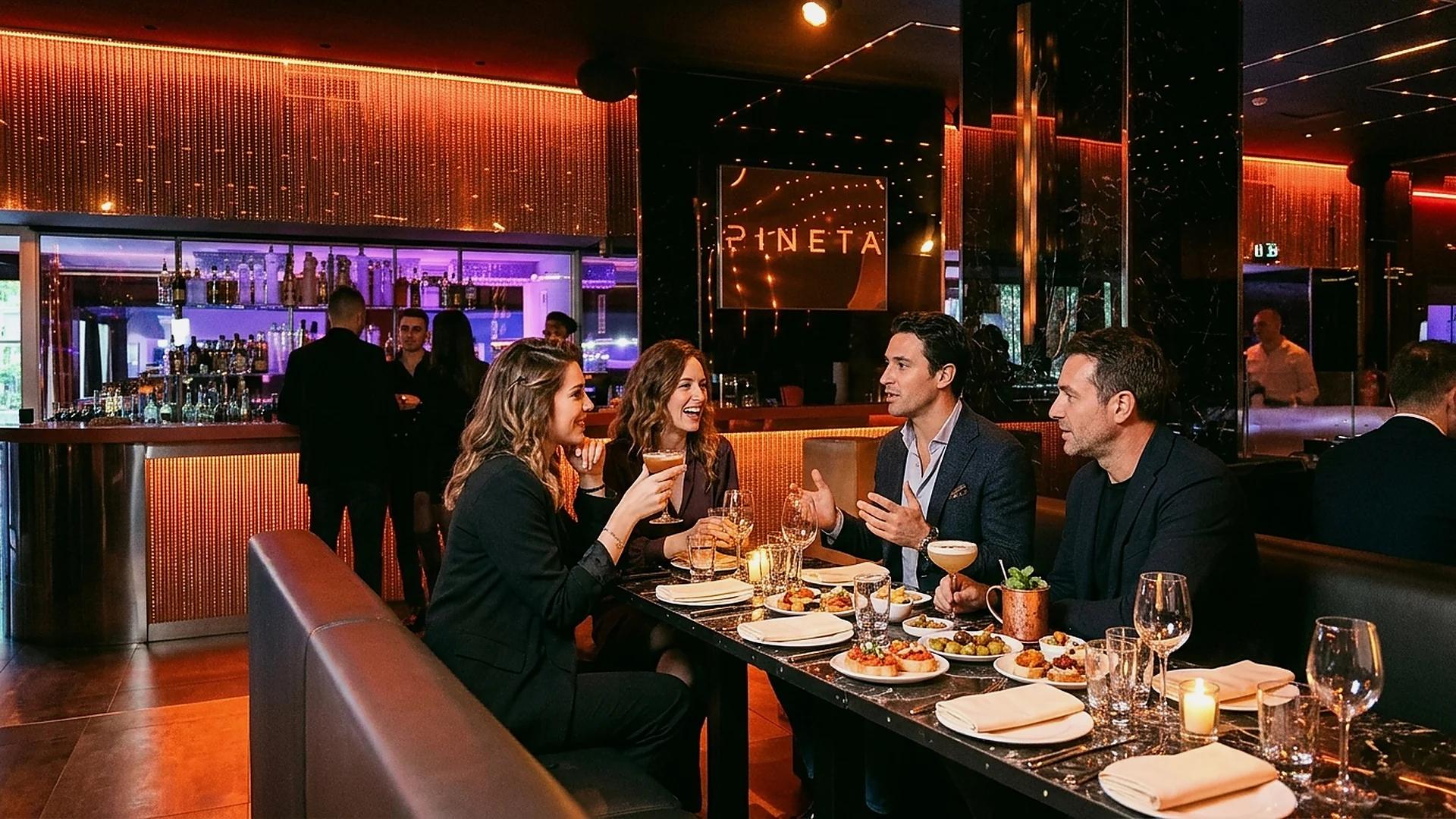
What a wine bar is
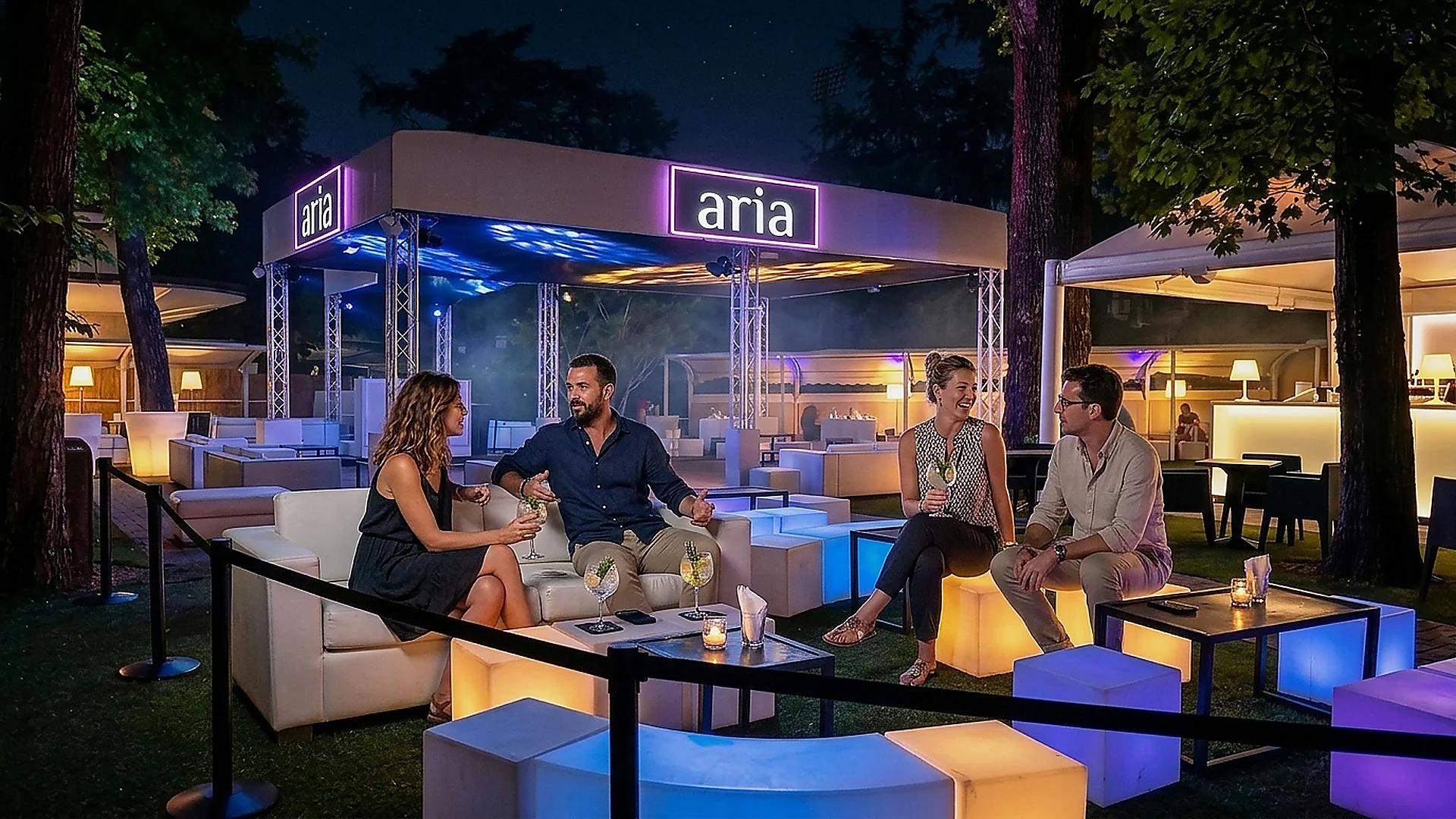
A wine bar is a venue where wine is the star. Unlike an ordinary bar, the wine list is broad and carefully chosen, many wines are served by the glass and the staff can tell you about what they pour. There is often something to eat: boards of cured meats and cheeses, small plates, sometimes a proper kitchen.
Enoteca and wine bar
In Milan the two words are often used interchangeably. Traditionally an enoteca is a wine shop where you can also have a drink, while a wine bar is designed first and foremost for serving wine. Today many places do both: you drink at the table and buy the bottle to take home.
Why choose one
The wine bar is the ideal place for conversation: low music, warm lights, a slow pace. It works for a date, a business meeting, an evening with friends who want to talk more than dance.
Types of wine bar
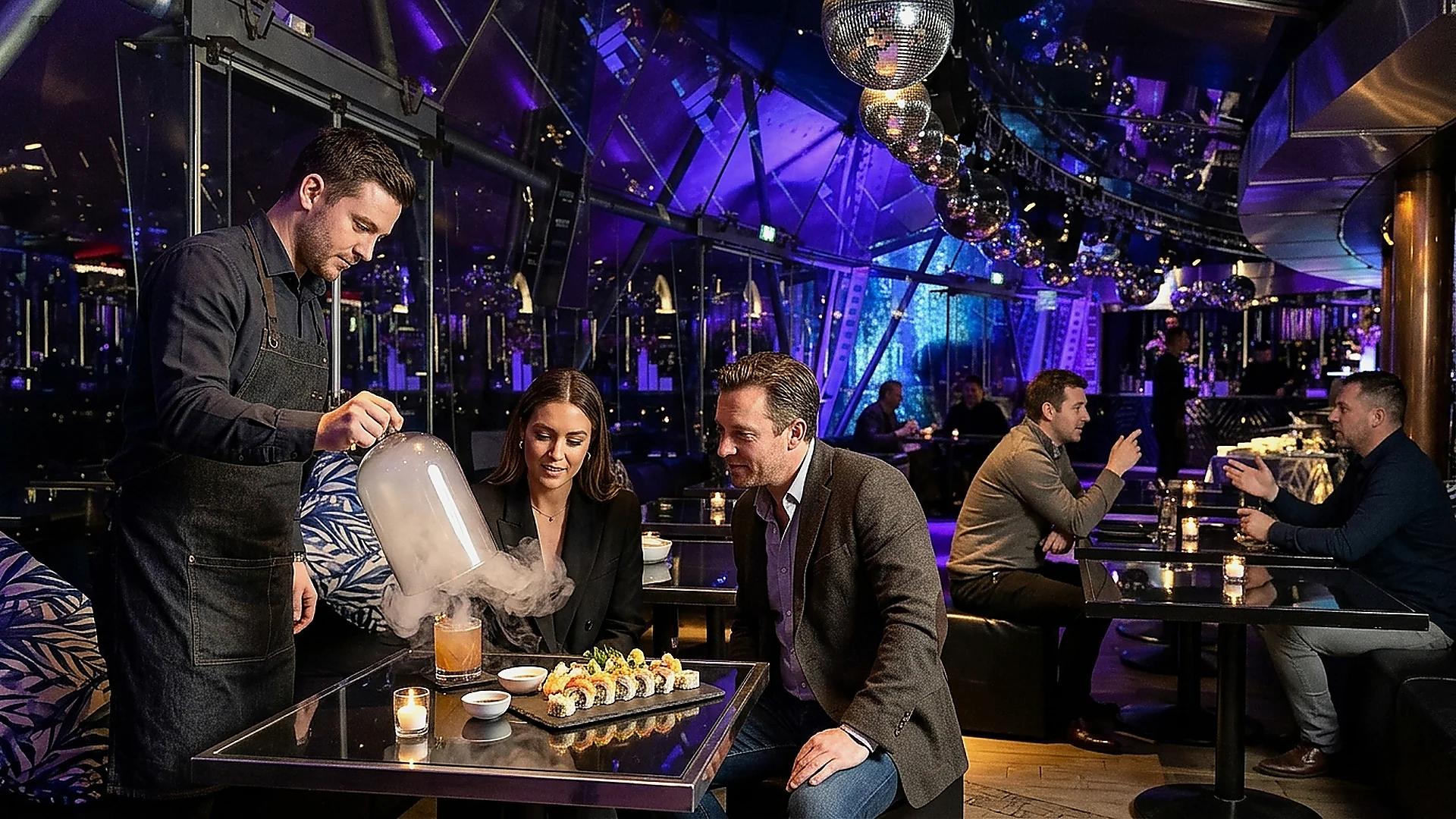
The traditional enoteca
A wooden counter, shelves full of bottles, a few tables. The list ranges across Italy's regions and rests on the owner's knowledge. It is the place to ask for advice.
The modern wine bar
Contemporary furnishings, a shorter, curated list, often with wines from small producers. Many wine bars of this kind also have a carefully run kitchen.
The natural wine bar
Some venues specialise in natural wines, made with minimal intervention in the vineyard and the cellar. Their aromas and flavours are often different from conventional wines: an experience for those who like to experiment.
The elegant wine bar
Venues with very long lists, important bottles and sommelier service. Suited to special occasions and to anyone who wants to drink a great wine.
| Type | Atmosphere | List | For whom |
|---|---|---|---|
| Traditional enoteca | Warm, familiar | Broad, classic | Those who want advice |
| Modern wine bar | Contemporary | Curated | Couples, friends, the curious |
| Natural wines | Informal | Small producers | Those who like to experiment |
| Elegant wine bar | Refined | Very broad | Special occasions |
How to order without being an expert
By the glass or by the bottle
Wine by the glass lets you taste several wines in one evening, one each or one per course. A bottle is worth it when there are three or more of you and you agree on a wine. Many wine bars have a by-the-glass selection that changes often.
Ask for advice
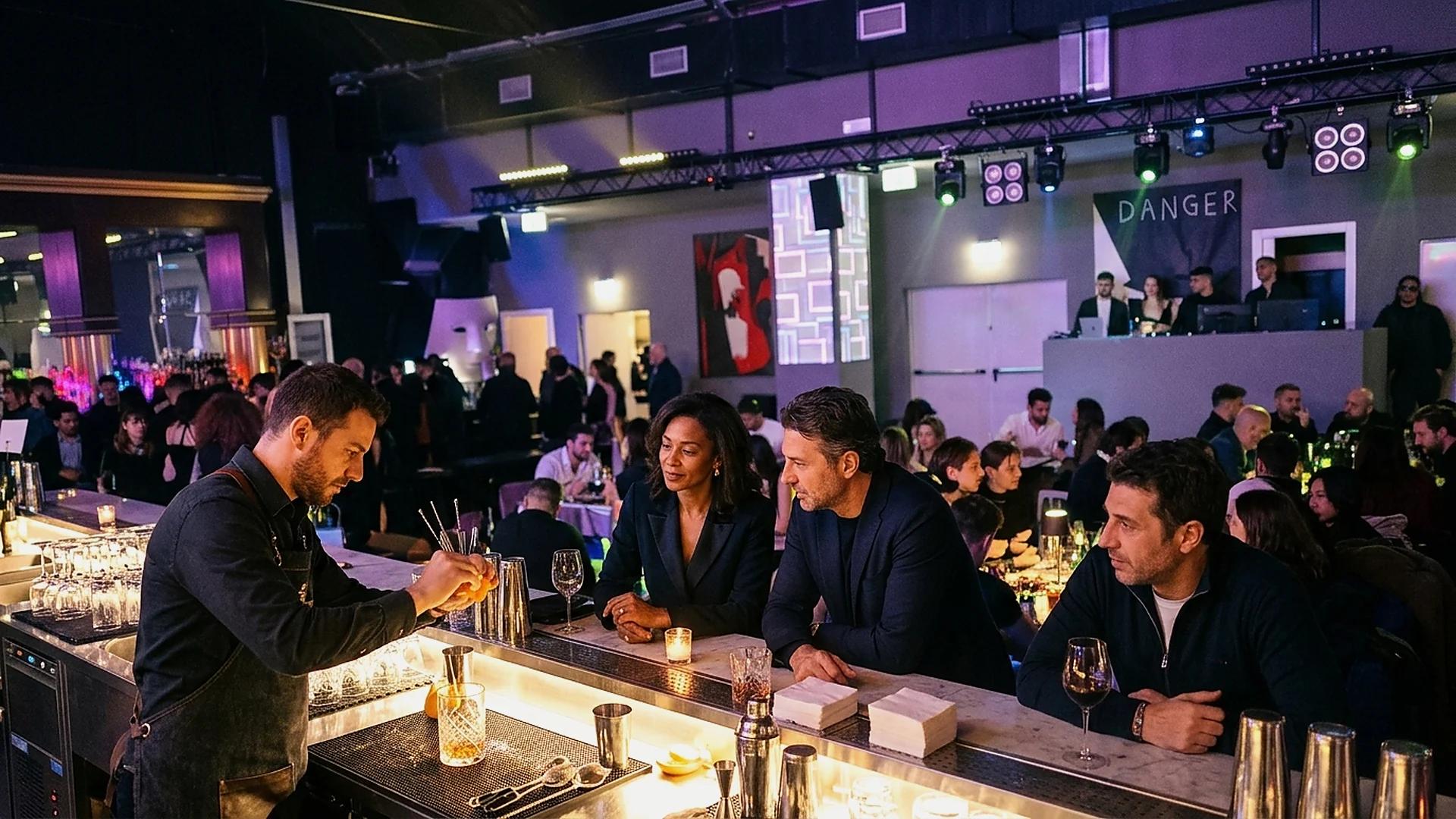
You do not need to know about wine to order well. Just say what you like: white or red, light or full-bodied, fresh or smooth, sparkling or still. In a good wine bar the staff can turn those words into a wine.
Taste first
In many wine bars you can ask for a small taste before ordering a glass. It is a normal request, not a rude one.
The budget
Saying naturally how much you want to spend on a bottle helps whoever is advising you. There are excellent wines at every price.
Lombard wines to try
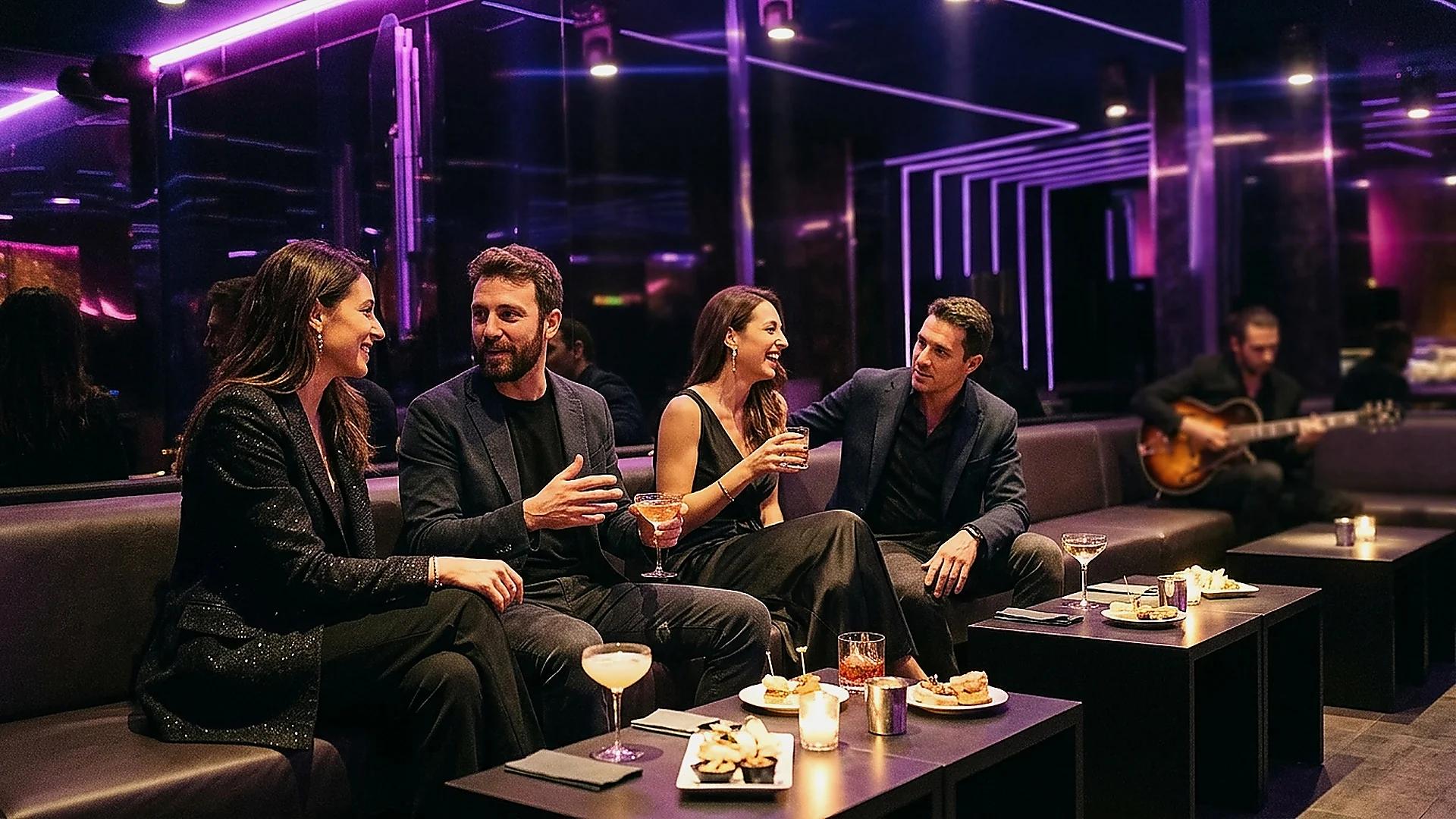
Lombardy is not just Milan's region: it is also wine country. In a Milan wine bar it is worth trying a few.
Franciacorta
Franciacorta's sparkling wines, made by secondary fermentation in the bottle in the area between Brescia and Lake Iseo, are Lombardy's best-known wine. Excellent as an aperitivo and throughout a meal.
Oltrepò Pavese
In the south of the region, beyond the Po, Oltrepò Pavese produces many kinds of wine, from Pinot Nero, sparkling too, to traditional reds such as Bonarda.
Valtellina
Among the mountains of Valtellina, on steep terraces, Nebbiolo is grown, known here as Chiavennasca. It gives elegant reds such as Valtellina Superiore and Sforzato, made from grapes left to dry.
Lugana
On the southern shore of Lake Garda, straddling Lombardy and Veneto, Lugana is produced, a fresh, aromatic white, perfect in summer.
| Area | Wine | Type | When to drink it |
|---|---|---|---|
| Franciacorta | Franciacorta | Sparkling | Aperitivo, throughout the meal |
| Oltrepò Pavese | Pinot Nero, Bonarda | Sparkling and red | With cured meats and first courses |
| Valtellina | Valtellina Superiore, Sforzato | Red | With meat and aged cheeses |
| Lake Garda | Lugana | White | Aperitivo, fish, summer |
The words on the wine list
Certain abbreviations keep appearing on the list of an Italian wine bar. Knowing them helps you find your way.
DOCG, DOC and IGT
These are the main Italian wine designations. DOCG, controlled and guaranteed designation of origin, is the strictest; DOC, controlled designation of origin, indicates a wine produced in a specific area under defined rules; IGT, typical geographical indication, leaves the producer more freedom. A label does not tell you everything about quality: there are extraordinary IGTs and simple DOCs.
Vintage and grape
The vintage is the year of the harvest; the grape variety is the type of grape. Many Italian wines carry the name of the area on the label rather than the grape: Sforzato di Valtellina, for example, is made from Nebbiolo grapes.
Metodo classico
On sparkling wines you will often see the words metodo classico: it means the second fermentation, the one that creates the bubbles, takes place in the bottle. It is the method used for Franciacorta.
Beyond Lombardy
A Milan wine bar is also a journey around Italy. Some names come up often on the lists: from Piedmont the great reds from Nebbiolo grapes such as Barolo and Barbaresco; from Tuscany the reds from Sangiovese grapes such as Chianti Classico and Brunello di Montalcino; from Veneto the bubbles of Prosecco and the reds of Valpolicella such as Amarone; from the South the reds of Etna, Primitivo, Aglianico. Asking for a wine from a region you do not know is a good way to discover something new.
Temperatures and glasses
In a good wine bar every wine arrives at the right temperature and in the right glass. Sparkling and white wines are served cool, fuller reds a little warmer, but never warm. If a wine seems too cold or too warm, say so: in a serious venue it is a normal remark. A wide glass helps important reds open up; a flute or tulip glass keeps the bubbles.
A wine bar for a group
A group of eight or ten can also have a great evening in a wine bar. Book a large table or a reserved area, choose a few bottles to share rather than lots of different glasses, and order large boards for everyone. For a birthday or a company evening, many wine bars prepare a small tasting with three or four wines and matching dishes.
What to eat
The sharing board
It is wine's classic companion: cured meats and cheeses, often from Lombardy or other Italian regions. Ask what is local.
Small plates
Many wine bars offer dishes to share, perfect for a light dinner between one glass and the next.
Pairing
A simple rule: light wines with light dishes, fuller wines with tastier dishes. Bubbles go with almost everything. If in doubt, ask.
Wine and Milanese cooking
Some wine bars and restaurants that serve wine by the glass also offer traditional Milanese dishes, and it is a chance to try the right pairings.
Risotto alla milanese
Saffron risotto is the city's signature dish. It pairs well with structured whites or metodo classico sparkling wines.
Cotoletta
The cotoletta alla milanese, breaded and fried in butter, calls for a wine that cleanses the palate: bubbles or a light, fresh red.
Ossobuco
Ossobuco, often served with saffron risotto, is a rich, flavourful dish: with a Lombard red such as Valtellina Superiore the match is a classic.
Lombard cheeses
Lombardy is cheese country, from Gorgonzola to Taleggio to Grana Padano. On a mixed board, ask which wine best suits what you are about to taste.
Where to find wine bars
Brera
The most classic neighbourhood for a glass before or after dinner, with small, well-kept venues in pedestrian streets.
Porta Romana
A residential neighbourhood with wine bars popular with residents and a quiet, polished atmosphere. It is covered in our guide to bars in Porta Romana.
Isola and Porta Venezia
Two lively neighbourhoods, with modern wine bars and natural wine venues alongside cocktail bars.
NoLo
The most alternative neighbourhood, with independent venues that often stock wines from small producers. It is covered in our guide to bars in NoLo.
For all the neighbourhoods there is the page about Milan bars area by area. This guideline applies specifically to the itinerary covered on our "Wine bars in Milan" page.
Which occasions it suits
A date
The wine bar is one of the best places for a first date: you talk, taste, share a board. More tips are in our guide to first date bars.
A business meeting
A glass after work is a relaxed way to continue a business conversation. Choose a venue with separate tables and low music.
An evening with friends
A bottle to share, a big board, a long evening at the table: the wine bar is the opposite of a frantic night out.
A tasting
Some wine bars organise guided tastings, evenings devoted to a region or a producer. They are a fun way to learn.
What it costs
A glass in a wine bar generally costs more than in an ordinary bar, because the wine is chosen and served with care. The price varies a lot with the wine: you can drink well for little or choose important bottles. Many venues apply a mark-up on bottles compared with the shop price. Prices are on the list: ask for it or check the venue's official channels.
Practical tips
Book
Small wine bars fill up on Thursdays, Fridays and Saturdays. For a table it is worth booking.
Drink in moderation
Wine is for savouring. Alternating a glass of water and eating something helps you enjoy the evening to the end.
Take the bottle home
If you liked a wine, ask whether you can buy a bottle. In many wine bars you can, sometimes at a different price from the table. Some also let you take away an unfinished bottle.
Getting home
Whoever drives does not drink. For an evening in a wine bar far from home the metro or a booked chauffeur-driven car is best: the service is on our site about concierge services in Milan.
Wine bars through the seasons
In winter
In winter people drink fuller reds, stay indoors and evenings stretch out at the table. It is the season of Sforzato and aged cheeses.
In summer
In summer people look for outdoor seating and switch to fresh whites and bubbles. Many wine bars have tables outside in pedestrian streets. In August some close for the holidays.
Harvest and autumn
In autumn the new wines arrive and many venues hold dedicated evenings. It is also the time for tastings, before the end-of-year holidays.
Wine bar or cocktail bar?
The two are not mutually exclusive. Many Milanese start the evening with a glass of wine and end it with a cocktail, or vice versa. The wine bar is slower and more convivial, the cocktail bar more varied and spectacular. For cocktails there is the page about cocktail bars in Milan.
How we help
We recommend the wine bar that suits the occasion and the area, book the table, organise a dinner or a tasting for a group and the car home, and send you everything in writing. All our services are described on the page about night out services in Milan.